

Damp Problems
Damp Problems
Understanding Damp Problems
Damp is a common issue that can affect any type of property, leading to structural damage, health risks, and an unpleasant living environment. At Cannon Clarke, we specialise in identifying and treating all types of damp to ensure your property remains dry and healthy.
Types of Damp
There are three main types of damp that can affect a property:
- Rising Damp
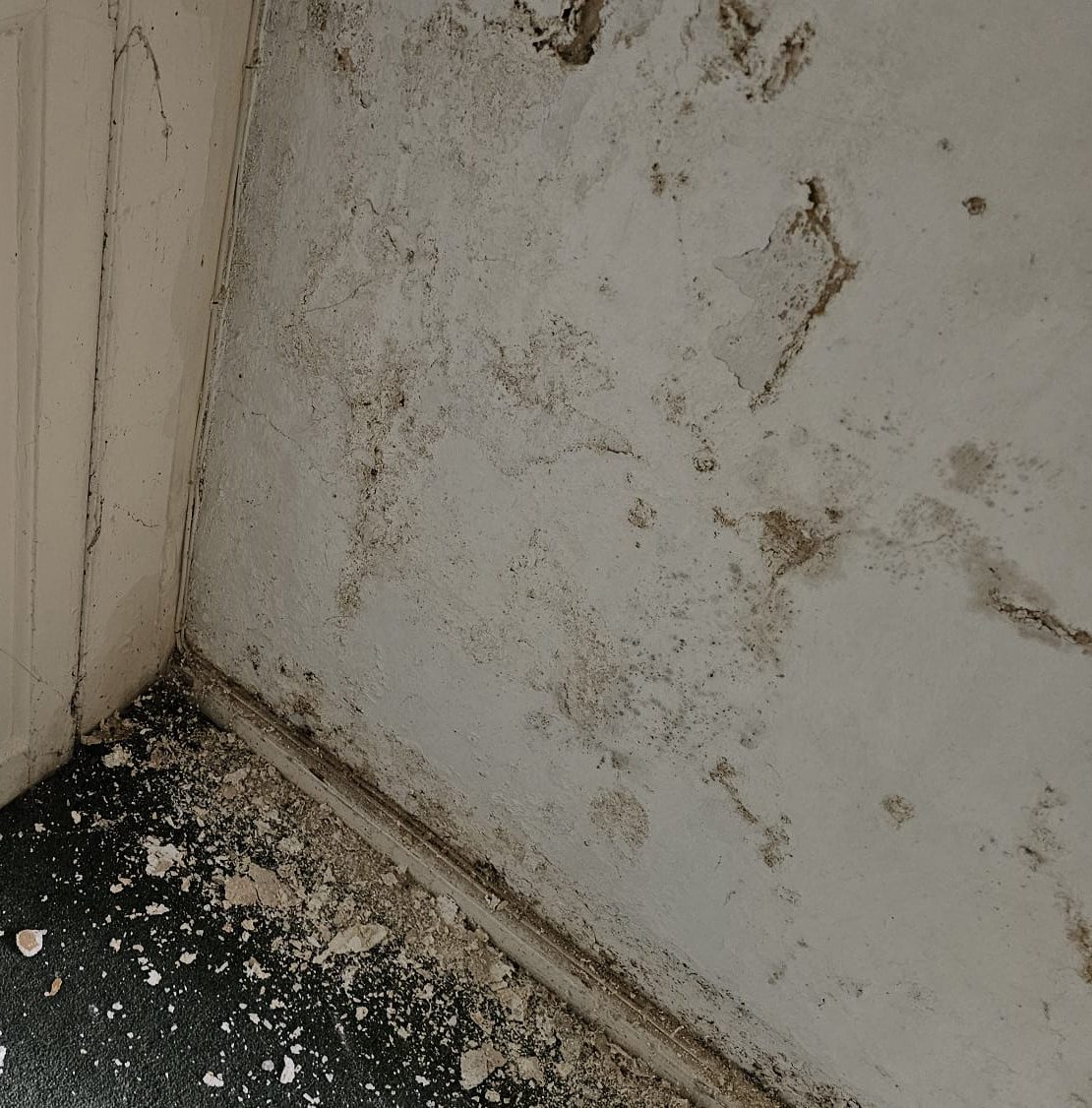
Rising damp occurs when moisture from the ground rises through the walls of a building by capillary action. This type of damp is often identified by a “tide mark” on walls, typically up to 1 metre above floor level. Common signs include:
- Damp Patches on Walls: Moisture marks or stains on the lower parts of walls.
- Peeling Paint or Wallpaper: Dampness can cause paint to bubble and wallpaper to peel away.
- Salt Deposits: White, powdery deposits on walls, known as efflorescence.
2.Penetrating Damp
Penetrating damp occurs when water enters a property from the outside due to defects in the building’s exterior, such as damaged brickwork, faulty gutters, or cracked render. Unlike rising damp, penetrating damp can affect any part of a building. Common signs include:
- Damp Patches on Walls: Moisture marks or stains on walls, often worsening during or after rain.
- Peeling Paint or Wallpaper: Dampness can cause paint to bubble and wallpaper to peel away.
- Black Mould: Mould growth on walls, ceilings, or around windows.
3.Condensation
Condensation is the most common type of damp and occurs when warm, moist air meets a cooler surface, such as walls, windows, or ceilings, causing water droplets to form.
Common signs include:
- Water Droplets on Windows: Visible moisture on the inside of windows, especially in the morning.
- Damp Patches on Walls: Moisture marks or stains on walls, often in corners or behind furniture.
- Black Mould: Mould growth on walls, ceilings, or around windows.
Causes of Damp
Damp can be caused by a variety of factors, including:
- Poor Ventilation: The lack of adequate airflow to remove moist air.
- High Humidity Levels: Activities such as cooking, showering, and drying clothes indoors can increase humidity.
- Structural Defects: Cracks in walls, damaged brickwork, and faulty gutters can allow water to penetrate the building.
- Failed or Breached Damp Proof Course (DPC): A DPC is a barrier designed to prevent moisture from rising through the walls. If it is breached, fails or is missing, rising damp can occur.
Why Address Damp?
Ignoring damp issues can lead to serious consequences, including:
- Structural Damage: Prolonged exposure to moisture can weaken the structure of your property including the corrosion of wall ties.
- Fungal Decay: Dampness in buildings is a leading cause of fungal decay in properties.
- Health Risks: Damp environments can promote the growth of mould and fungal spores, which can cause respiratory issues and other health problems.
- Aesthetic Damage: Damp can cause unsightly stains, peeling paint, and damaged wallpaper.
Our Damp Solutions
At Cannon Clarke, we offer a range of damp proofing solutions to effectively treat and prevent damp:
- Damp Proof Course Injection: We inject a chemical damp proof course into the walls to create a new barrier against moisture.
- Waterproof Membranes: We install waterproof membranes to the internal walls, providing an additional layer of protection.
- External Waterproofing: We apply waterproof coatings to the external walls, creating a first line of defence against moisture.
- Ventilation Improvements: We install high-performance extraction units and PIV (Positive Input Ventilation) units to improve airflow and reduce humidity levels before they result in condensation and unsightly black mould.
Contact Us
If you suspect damp in your property, don’t wait for the problem to worsen. Contact Cannon Clarke today for a survey and quote. Call us at 0800 197 4488 or fill out our online contact form.