

How to Identify Dry Rot
Timber diagnosis
How to Identify dry rot
Dry rot is a serious issue that can cause significant damage to wooden structures if not identified and treated promptly. This guide will help you recognise the signs of dry rot and take the necessary steps to address it.
What is Dry Rot?
Dry rot is a type of fungal decay that affects timber. It is caused by the fungus Serpula Lacrymans, which thrives in damp, poorly ventilated conditions. Unlike other types of rot, dry rot can spread through masonry and other non-wood materials, making it particularly destructive.
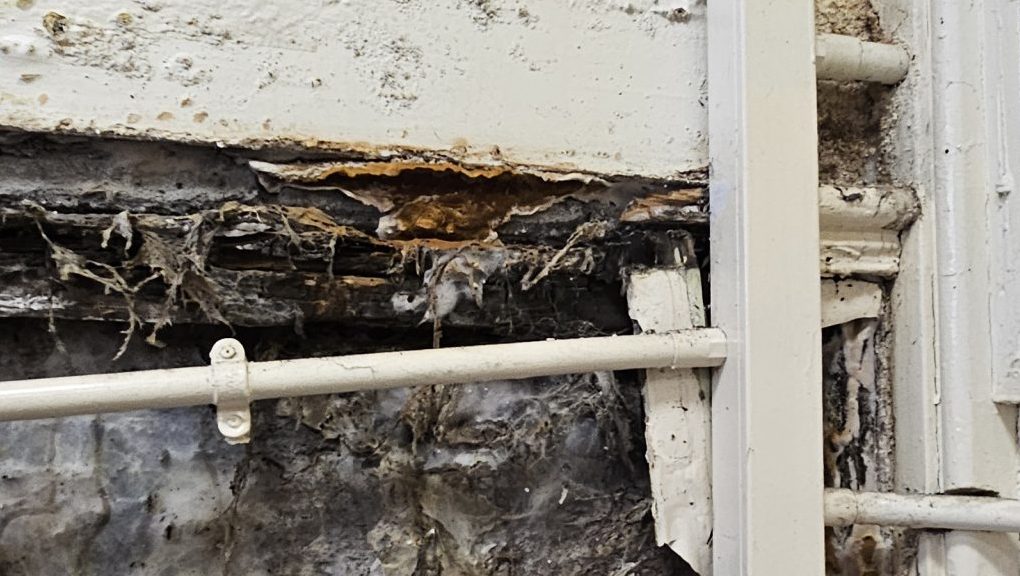
Signs of Dry Rot
Identifying dry rot early can save you time and money. Here are the key signs to look out for:
- Wood Shrinkage and Cracking
- Affected wood may shrink, darken, and crack. The wood often feels dry and brittle.
- Fungal Growth
- Look for a white, cotton-like growth on the wood. This is the mycelium of the fungus.
- Spore Dust
- You might notice a fine, orange or reddish-brown dust. These are the spores of the dry rot fungus.
- Musty Smell
- Dry rot often produces a distinct, musty odour.
- Fruiting Bodies
- In advanced stages, you may see mushroom-like fruiting bodies. These are usually a rusty red colour with white edges.
How to Confirm Dry Rot
If you suspect dry rot, it’s important to confirm it before taking action. Here are some steps you can take:
- Probe the Wood
- Use a screwdriver or similar tool to probe the wood. If it feels soft and crumbles easily, it could be dry rot.
- Check for Moisture
- Dry rot requires moisture to thrive. Use a moisture meter to check the moisture levels in the wood.
- Professional Inspection
- If you’re unsure, it’s best to consult a professional. They can provide a thorough inspection and confirm the presence of dry rot.
Preventing Dry Rot
Prevention is always better than cure. Here are some tips to prevent dry rot:
- Ensure Proper Ventilation
- Keep your home well-ventilated to reduce moisture levels.
- Fix Leaks Promptly
- Repair any leaks in your roof, walls, or plumbing to prevent moisture buildup.
- Use Treated Wood
- When building or repairing structures, use wood that has been treated to resist fungal decay.
Conclusion
Identifying dry rot early is crucial to preventing extensive damage to your property. By knowing the signs and taking prompt action, you can protect your home from this destructive fungus. If you suspect dry rot, don’t hesitate to seek professional help immediately to ensure it is properly treated.
More information?
For reliable structural waterproofing, call Cannon Clarke or book a professional survey. We’ll assess your property, explain your options and provide a clear, compliant plan.
Our Process


Survey
We start by conducting a thorough survey of the space you want inspected. There's usually a fee for our initial consultation.
01


Scoping discussion
We collaborate with you to marry your objectives with our findings from the survey. We’ll discuss how you want to use the space when it’s finished and the best way of achieving your vision.
02

Design
Once we have the physical specifications, and your input on your requirements, we’ll design a system that works for you.
03

Approval
We’ll send you a specification, together with a report which explains the technical aspects. We’re happy to chat through this with you and make any changes you’ve identified.
04

Work begins
With an approved plan in place, we’ll get to work on the date we’ve agreed between us.
05